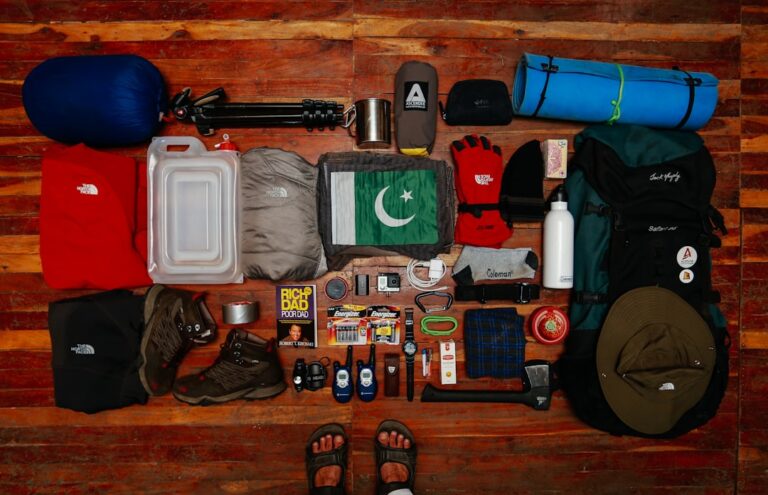

When it comes to backpacking, the weight of your gear can make or break your adventure. The allure of the great outdoors is often overshadowed by the burden of carrying heavy equipment. This is where lightweight gear becomes essential. Not only does it enhance your mobility, but it also contributes to a more enjoyable and less strenuous experience in the wild. In this article, we will explore the reasons why lightweight gear is crucial for backpacking and how to effectively implement it into your packing strategy.
First and foremost, lightweight gear allows for greater freedom of movement. When you’re navigating rugged terrains, every ounce counts. Heavy backpacks can lead to fatigue, making it difficult to enjoy the scenery or complete your planned route. By opting for lightweight alternatives, you can maintain your energy levels and focus on the experience rather than the weight on your back. This is particularly important for long-distance hikes where every step can feel like a challenge.
Additionally, lightweight gear often comes with the benefit of compactness. Many manufacturers have designed their products to not only be light but also to pack down small. This means you can fit more into your backpack without exceeding weight limits. For instance, a lightweight sleeping bag can compress to a fraction of its size, allowing you to save space for other essentials. This is especially beneficial for multi-day trips where space is at a premium.
Another significant advantage of lightweight gear is its versatility. Many lightweight items are designed with multiple uses in mind. For example, a lightweight tarp can serve as a shelter, a ground cover, or even a makeshift rainfly. This multifunctionality means you can reduce the number of items you carry, further decreasing your overall weight. Investing in gear that serves multiple purposes is a smart strategy for any backpacker.
Moreover, lightweight gear often incorporates advanced materials and technology. Manufacturers are continuously innovating to create products that are not only light but also durable and weather-resistant. For example, ultralight tents made from ripstop nylon can withstand harsh conditions while remaining incredibly light. By choosing gear made from these advanced materials, you can ensure that you are well-equipped for whatever nature throws your way.
However, transitioning to lightweight gear does require some strategic planning. It’s essential to evaluate your current gear and identify which items can be replaced with lighter alternatives. Start by assessing the weight of each item in your pack. You might be surprised at how quickly the weight adds up. Once you have a clear picture, prioritize which items are essential and which can be swapped out for lighter versions.
When selecting lightweight gear, consider the following factors: durability, functionality, and comfort. While it may be tempting to choose the lightest option available, it’s crucial to ensure that the gear can withstand the rigors of backpacking. Read reviews, consult with experienced backpackers, and don’t hesitate to invest in quality products that will last.
Finally, practice packing your lightweight gear before hitting the trail. This will help you understand how to distribute weight effectively and ensure that you can access essential items quickly. A well-organized pack can make a significant difference in your overall experience.
Step-by-step plan:
Step 1: Evaluate your current gear and weigh each item.
Step 2: Identify which items can be replaced with lighter alternatives.
Step 3: Research and invest in quality lightweight gear that meets your needs.
Step 4: Practice packing and organizing your gear for optimal weight distribution.
In conclusion, lightweight gear is not just a trend; it’s a necessity for anyone serious about backpacking. By embracing the benefits of lightweight equipment, you can enhance your mobility, enjoy greater versatility, and ultimately have a more fulfilling outdoor experience. So, before your next adventure, take the time to reassess your gear and make the switch to lightweight options. Your back will thank you!